Oct 7, 2026
The Tariff Tab Comes Due Slowly
Listen to This EpisodeYour browser does not support audio. The Mark Ford Show — The People's Hour · WRZF Radio This episode of The Mar
Listen to This EpisodeYour browser does not support audio. The Mark Ford Show — The People's Hour · WRZF Radio This episode of The Mark Ford Show aired on October 7, 2026. Mark Ford takes on one
Listen to This EpisodeYour browser does not support audio. The Mark Ford Show — The People's Hour · WRZF Radio This episode of The Mar
Listen to This EpisodeYour browser does not support audio. The Mark Ford Show — The People's Hour · WRZF Radio This episode of The Mar
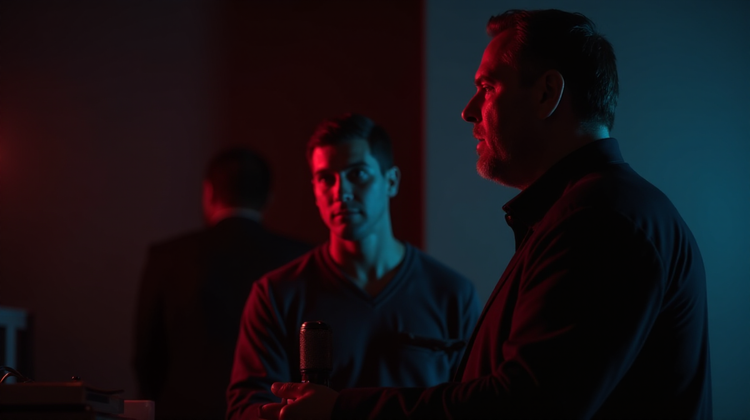
Listen to This EpisodeYour browser does not support audio. The Mark Ford Show — The People's Hour · WRZF Radio This episode of The Mar
Listen to This EpisodeYour browser does not support audio. The Mark Ford Show — The People's Hour · WRZF Radio This episode of The Mar
Listen to This EpisodeYour browser does not support audio. The Mark Ford Show — The People's Hour · WRZF Radio This episode of The Mar
Listen to This EpisodeYour browser does not support audio. The Mark Ford Show — The People's Hour · WRZF Radio This episode of The Mar
Listen to This EpisodeYour browser does not support audio. The Mark Ford Show — The People's Hour · WRZF Radio This episode of The Mar
Listen to This EpisodeYour browser does not support audio. The Mark Ford Show — The People's Hour · WRZF Radio This episode of The Mar
Listen to This EpisodeYour browser does not support audio. The Mark Ford Show — The People's Hour · WRZF Radio This episode of The Mar
Listen to This EpisodeYour browser does not support audio. The Mark Ford Show — The People's Hour · WRZF Radio This episode of The Mar
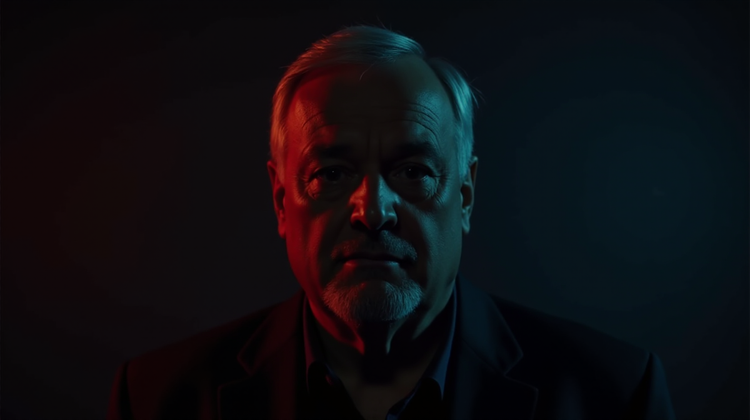
Listen to This EpisodeYour browser does not support audio. The Mark Ford Show — The People's Hour · WRZF Radio This episode of The Mar
Listen to This EpisodeYour browser does not support audio. The Mark Ford Show — The People's Hour · WRZF Radio This episode of The Mar
Listen to This EpisodeYour browser does not support audio. The Mark Ford Show — The People's Hour · WRZF Radio This episode of The Mar
Listen to This EpisodeYour browser does not support audio. The Mark Ford Show — The People's Hour · WRZF Radio This episode of The Mar
Listen to This EpisodeYour browser does not support audio. The Mark Ford Show — The People's Hour · WRZF Radio This episode of The Mar