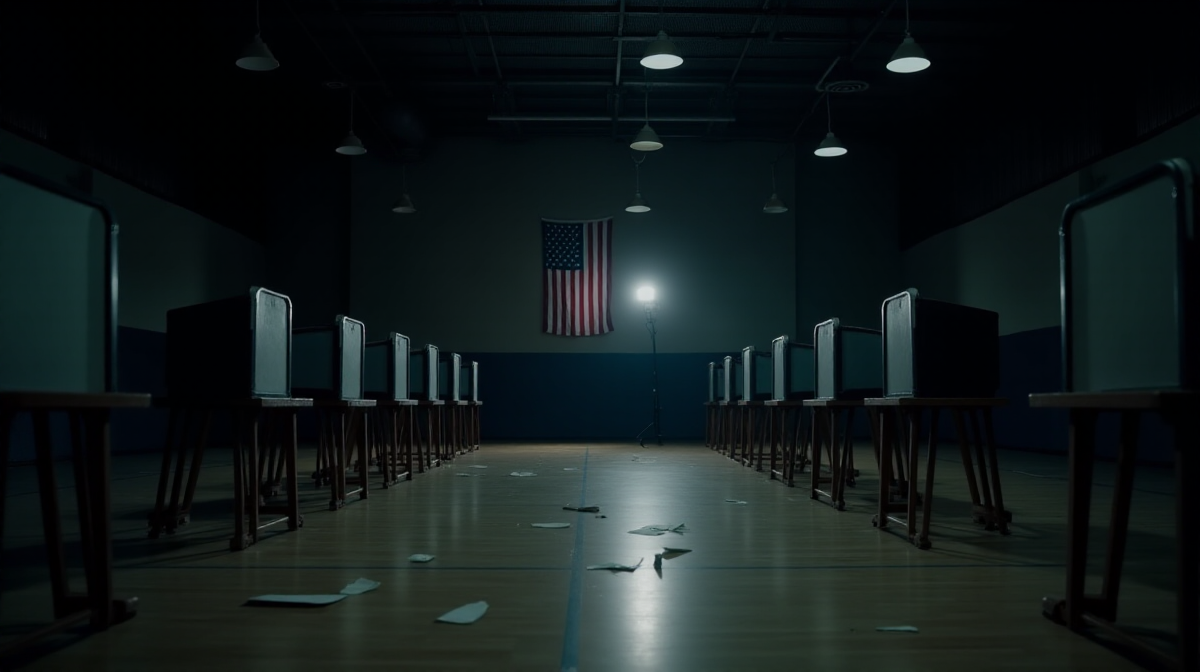
Presidential administrations tend to fear midterm elections, and they should. The historical pattern is clear: the party that holds the White House loses congressional seats in the midterms more often than not, and the losses can be severe enough to end whatever legislative ambitions the first two years didn't accomplish. The fear of this outcome typically produces a kind of discipline and outreach, a willingness to at least gesture toward the voters who didn't support you.
When that fear is absent, or when it's actively dismissed, it's worth asking why. Confidence built on a genuine read of the electoral landscape is one thing. Dismissal built on the belief that the outcome doesn't much matter is something else entirely, and it suggests a theory of governance that doesn't center on electoral accountability in the traditional way.
The midterms matter for specific, concrete reasons that have nothing to do with partisan preference. Committee chairmanships. Subpoena power. The ability to hold confirmation hearings or refuse to hold them. The shape of the appropriations process. Budget reconciliation rules. These are the mechanisms through which one branch of government checks another, and they are distributed according to who controls the chambers.
If the party in power treats those mechanisms as obstacles rather than features, and treats an election that might reassign them as an inconvenience rather than a legitimate verdict, you are watching a different theory of American self-governance than the one the civics textbooks describe. What we’re watching has a name. It’s worth knowing it clearly before the next two years are over.